
The Radical Act of Incremental Repair
In the last month, I have met and worked with so many leaders who are exhausted. Most work at the intersection of trauma and leadership — where they feel compelled to never take a break, by both their purpose and passion, and the immense undertow of need of the people they serve and love. The stakes always feel too high to pause, even when they are burned out.
As high-achieving leaders, we often wish the answer to this dilemma is simple, fast, and will erase the problem all at once — like someone shaking a giant etch-a-sketch. But rather than a big sweeping intervention, the real answer is an ongoing series of small simple acts.
I keep thinking of one of my favorite scenes from the children’s book Peter Pan by JM Barries, where Mrs. Darling is tidying the nursery after the children fall asleep. As she wanders in the dark nursery putting away the toys and folding clothes, she simultaneously tidies the minds of her children — sorting through their many thoughts and helping them make sense or make peace. A nightly ritual of kindness and constancy.
Mrs. Darling’s actions were not radical — they were not the sweeping etch-a-sketch kind. They were small, incremental, and invisible. Observing, naming, sorting, while quietly humming. A task done in a state of tired contentment. A task that never would be noticed or celebrated.
This is the nature of repair that’s done well — done in such a way that you don’t really notice the work. I’m not saying that the work didn’t take effort, or time, or that it was easy or comfortable. Darning socks. Repairing a roof. Or a relationship — it all takes time. Effort. Trial and error. It’s just that the time spent isn’t newsworthy, or TikTok worthy. And it doesn’t feed an achievement-focused leader’s need to do something “perfect” or “important.” When things don’t happen fast, or overnight, leaders often feel as if we are not making change at all.
The repair that’s needed in our lives to combat exhaustion and burnout is what Mrs. Darling did: small and incremental, daily, or even hourly. Breathing more deeply. Drinking more water. Looking at something beautiful (really looking at it). Talking with a friend or a colleague. Closing your computer in time to get home for dinner.
The thing about repair in challenging workplaces is the need for it never goes away. People who have a strong work ethic and have achieved big things tend to think the need for repair means they did something wrong — that if they just got it right, they wouldn’t have to attend to the daily messiness of life. This myth may be one of the greatest contributors to exhaustion and burnout. It’s not that you did something wrong to not have it all together. It’s just the wear and tear of your work, and the work of being human, means that repair is always necessary.
In Peter Pan, Mrs. Darling does this for the children and because of this, we can fall for the idea that repair needs to come from the outside, from someone else. But stories contain multitudes. And in the way we can understand our dreams, we can also understand that all the characters in a story can be aspects of ourselves. We are all the characters in Peter Pan and we all need to grow that aspect of Mrs. Darling. We need to grow the part of us who sees the need for, and enjoys the acts of, daily repair. We all need a kind and constant practice of bringing some order and containment to the messes around us, both inside and out. We must find a way to see these small acts as big and important, as sacred, as a requirement.
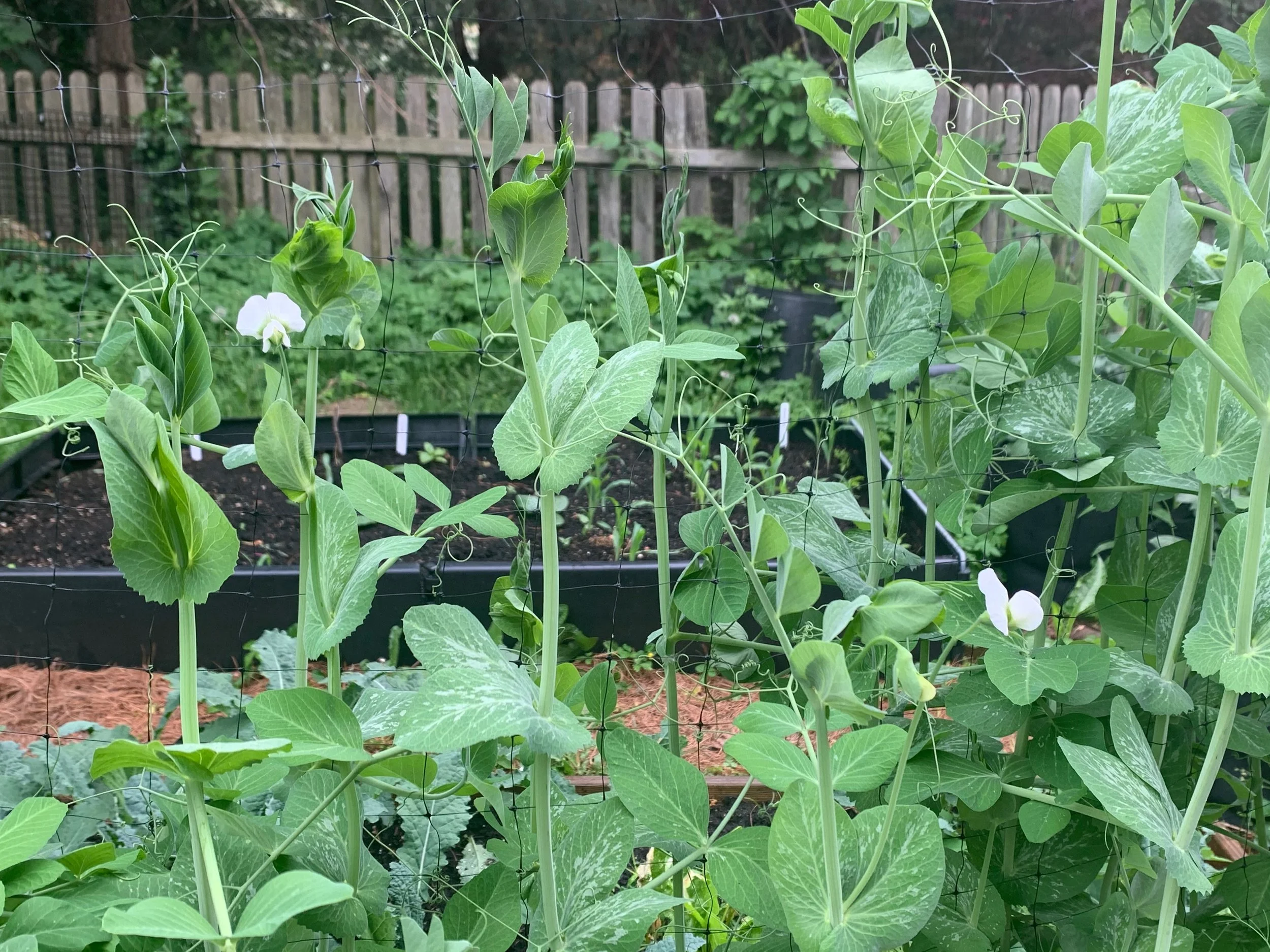
Stories can help us remember this. Mrs. Darling sorting the nursery. The Little Prince caring for his rose. Nature helps too: watching how slowly but surely a pea plant grows, reaching its tendrils out to grab on to the trellis. Watching a mountainside slowly become lush and green.
When I answer questions from leaders about “What can I do to change how I feel?” with the idea of small and incremental, I get looks of disappointment. Nothing sounds big enough to meet the need of rest. And my answer sounds like I don’t understand how much they are holding and how very tired they are. But I really do understand the disappointment and frustration. I understand the desire for everything to change. But the problem isn’t in the answer, the problem is in the way we see the answer. We judge the slow and incremental. And we need to find a way to honor it.
Explore and Practice
What are some stories that help you appreciate how long it takes to grow something, build something, or heal something? Remind yourself of these stories. They might be children’s stories, or poems, or a movie. Read them again. Watch them again.
Experiment with simple ways to keep track of the things you do that are small but meaningful. Acknowledge them by journaling, taking a photo, or speaking your thoughts out loud into a voice recorder. Let yourself see AND remember them by slowing down enough to take them in.
Questions for Further Exploration
Take a moment and notice what’s around you right now. What do you hear, smell, see? Take three deep breaths and notice. Feel your feet on the floor, the temperature of the air on your cheeks. Noticing sensorial elements provides an anchor and reset.
What is one small thing you might try today to slow down, even just a tiny bit?
Watch The Man Who Planted Trees based on the book by Jean Giono for more exploration around patience and the incremental approach. (Your achiever side may panic when you see it’s 30 minutes long — this is a great opportunity to try the incremental approach, i.e. watch five minutes at a time over the course of the week.)